
If you are starting to design your dream house, you have probably already asked the big question: what will it actually cost to build a custom home in Ontario?
The truth is, the lot, labour, and approvals all matter — but your design choices may be the single biggest factor you can control. The way you shape the home on paper directly impacts materials, trades, timelines, and ultimately the final price.
This guide walks through six expert design decisions that influence custom home costs in Ontario, and how working with a builder like XO Homes can help you stay on budget without giving up the features you love.
Why Design Choices Matter So Much for Custom Home Cost
Every line on a plan has a cost attached to it.
- Add a bump-out to the living room? That changes the foundation, framing, roof, and insulation.
- Want a two-story open foyer? That affects structure, heating, and finishes.
- Choose a full wall of glass? You are paying for structure, higher-performing windows, and careful installation.
Design impacts:
- Material quantities (concrete, lumber, roofing, drywall, finishes)
- Labour time and trade complexity
- Mechanical design (heating, cooling, ventilation)
- Long-term maintenance and operating costs
A Washington Post guide on building a custom home recommends understanding the builder market early, choosing your lot wisely, and working with professionals who can translate your wish list into realistic plans and pricing. The Washington Post That is exactly where a builder-led process adds value.
What Does It Cost to Build a Custom Home in Ontario?
Costs change over time, but recent estimates suggest that in many parts of Ontario, custom home construction ranges roughly from about $320 to $550 per square foot, with higher numbers in premium urban areas and for luxury finishes.
That means a 2,200 sq. ft. custom home might fall somewhere in this ballpark:
- Lower range (simpler design, standard finishes): roughly in the mid-$700,000s
- Higher range (more complex form, higher-end finishes): well above $1 million
These are broad ranges, not quotes. Your actual cost will depend heavily on your design choices, lot conditions, and the builder you choose.
1. Square Footage and Layout Complexity
The most obvious driver of cost is how big the home is — but how that space is arranged matters almost as much.
Open-Concept vs. Compartmentalized Spaces
Open-concept layouts are popular, but they can require:
- Larger structural beams
- More careful mechanical design
- Higher expectations for finishes and lighting
That can increase both materials and labour compared with a modestly sized, well-planned layout that still feels open but uses structure more efficiently.
On the other hand, cutting the home into many small rooms and hallways can add more walls, doors, and finishes. The goal is balance: open where it counts, efficient where it does not.
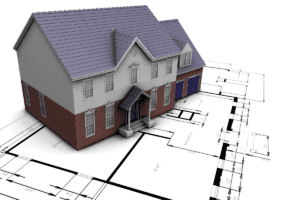
Simple Shapes vs. Multi-Wing Layouts
From a cost standpoint, simple is usually more affordable:
- Rectangular or L-shaped footprints
- Stacked floors (second story aligned above the first)
- Fewer jogs, angles, and bump-outs
Complex floor plans with multiple wings, offsets, and corners increase:
- Foundation length
- Framing complexity
- Roof transitions and potential leak points
Those extra labour hours add up quickly.
2. Foundation and Structural Decisions
Your foundation supports everything else, so design decisions here have a big impact on both cost and performance.
Basements, Walk-Outs, and Soil Conditions
In many Ontario communities, a full basement is still common. But decisions like:
- Walk-out basements
- Extra height for future finishing
- Larger windows and sliding doors
can all increase excavation, concrete, and engineering costs — especially on sloped or challenging lots.
If you are considering a walk-out or daylight basement, it is important to discuss:
- Soil conditions and required drainage
- Retaining walls or extra concrete
- Waterproofing and insulation standards
early in the design process.
Spans, Beams, and “Wow” Features
Features like:
- Wide, column-free great rooms
- Large second-story openings
- Long cantilevers or overhangs
often require heavier beams, more steel, and more detailed engineering, which increases both structural and installation costs.
An experienced builder can help you decide where a “wow” moment is worth the added structure — and where a slightly more compact design gives you a similar feeling for less money.
3. Roof Shape, Ceiling Height, and Overall Form
Your roof and ceilings are big cost drivers that homeowners often underestimate.
Simple Rooflines vs. Complex Roofs
A simple roofline — think:
- Straight gable or hip roof
- Minimal dormers and valleys
- Fewer changes in slope
is usually more cost-effective and more durable over time. A complex roof with many peaks, valleys, dormers, and skylights is more labour-intensive and introduces more potential leak points.
That complexity shows up not only in the build cost but also in long-term maintenance.
Standard Ceilings vs. Vaulted and Two-Story Spaces
High ceilings and open-to-below spaces are beautiful, but they:
- Increase wall height and drywall
- Require more insulation
- Can complicate heating and cooling design
You may decide that a vaulted living room or a dramatic foyer is worth it — but you might choose 9-ft ceilings elsewhere to keep costs balanced.
4. Windows, Doors, and Natural Light
Windows and doors are one of the most visible design choices and one of the biggest cost levers.
Size, Quantity, and Configuration
Generally:
- More and larger windows mean higher material and installation costs.
- Walls with many openings require more structural framing.
- Corner windows and complex configurations can add detailing time.
That does not mean you should avoid natural light. Instead, the goal is to place windows strategically where they add the most value, and to balance showpiece areas with simpler window groups elsewhere.
Window Performance and Door Systems
Energy-efficient, triple-pane units and large sliding or folding patio doors cost more up front but can improve comfort and long-term energy bills, especially in Ontario’s climate.
Discuss with your builder:
- Where premium windows matter most (e.g., living spaces, north-facing walls)
- Whether big multi-panel patio doors are essential or a nice-to-have
- How to balance performance, aesthetics, and cost
5. Kitchens, Bathrooms, and Built-Ins
Kitchens and bathrooms are often the most expensive rooms per square foot — so design decisions here matter a lot.
Layout and Plumbing Locations
Choices that increase costs include:
- Spreading plumbing fixtures far apart across multiple walls and floors
- Stacking many bathrooms in different corners instead of aligning them
- Moving the kitchen or bathroom locations late in the process
Keeping plumbing “stacked” and efficient, where possible, can reduce both rough-in and finishing costs.
Finish Levels and Custom Millwork
Costs rise with:
- Custom cabinetry with many specialty inserts
- High-end countertops throughout (versus a mix of materials)
- Full-height tile everywhere and intricate patterns
- Extensive built-ins and feature walls
One effective strategy is to prioritize premium finishes in a few key spaces and choose durable, more modest options elsewhere.
6. Energy Efficiency, Systems, and Future Operating Costs
Some design choices cost more initially but save money and add comfort long-term.
Insulation, Air Sealing, and HVAC Choices
Decisions about:
- Insulation levels
- Air-sealing details
- High-efficiency furnaces, heat pumps, or HRVs
all shape both build cost and monthly energy bills. Well-designed, energy-efficient homes can reduce operating costs and improve resale value.
Smart Upgrades That Pay Off Over Time
Potential “smart” investments include:
- Extra insulation in key areas (attic, rim joists)
- High-performance windows in wind-exposed or north-facing walls
- Thoughtful zoning for heating and cooling
- Electrical rough-ins for future solar or EV charging
A balanced design keeps your initial budget in check while protecting you from avoidable costs over the life of the home.
Is It More Expensive to Build a Custom Home in Ontario Than Buy Resale?
Many people wonder whether it is cheaper to buy an existing house or build a custom home Ontario buyers are proud to live in for decades.
There is no one-size-fits-all answer, but:
- Resale homes may have a lower initial purchase price, especially if they need renovation.
- Custom homes give you exactly what you want from day one, with modern systems, layouts, and energy performance that can reduce renovation and operating costs.
If you are planning to stay in the home long-term, a well-designed custom build can be a strong value, especially when you control design choices carefully from the start.
How XO Homes Helps You Balance Design and Budget
One of the most stressful parts of building a custom home is feeling like every decision could blow your budget.
XO Homes focuses on:
- Early budget conversations tied to real per-square-foot ranges and local conditions
- Collaborative design reviews that show where complexity is adding cost
- Transparent allowances for finishes so you can see how choices affect the bottom line
- Clear communication throughout the process so there are fewer surprises
If you are ready to talk through your wish list, you can contact XO Homes to discuss your project, location, and budget. For a deeper look at how they work with homeowners, visit Why XO Homes to understand their process and values.
Final Thoughts and Important Disclaimer
Designing a custom home is exciting, but it is also a major financial decision. The right design choices can help you stay within your budget while still getting a home that feels tailored to your life.
This article is for general information only and is not a formal quote or financial advice. Construction prices change over time and vary by region, trade availability, and supply conditions. Always work directly with a qualified builder, designer, and other professionals before making commitments.
FAQs
- What is the average cost to build a custom home in Ontario?
Recent estimates suggest many custom homes in Ontario fall somewhere around $320–$550 per square foot, with higher prices in major urban areas and for luxury finishes. Your actual cost will depend on design, lot conditions, and specifications. - Which design choices affect custom home cost the most?
The biggest design-related cost drivers are size and layout, foundation and structure, roof and ceiling complexity, window and door choices, and kitchen and bathroom finishes. All of these influence how much material and labour your home will require. - How can I avoid hidden costs when designing a custom home?
Get your builder involved early, request clear allowances, and avoid major design changes after construction starts. A Washington Post guide also recommends understanding your lot and builder market in advance so you can match your expectations to realistic costs. - Is open-concept more expensive than a traditional layout?
Open-concept plans can require larger beams, more careful mechanical design, and higher-end finishes, so they may cost more than a compact but efficient layout. A balanced approach — open where it matters, efficient elsewhere — often works best. - 5. When should I talk to XO Homes about my design?
The best time is as early as possible, even before finalizing plans. Early collaboration helps XO Homes flag costly design choices and suggest alternatives that align with your budget and goals.