
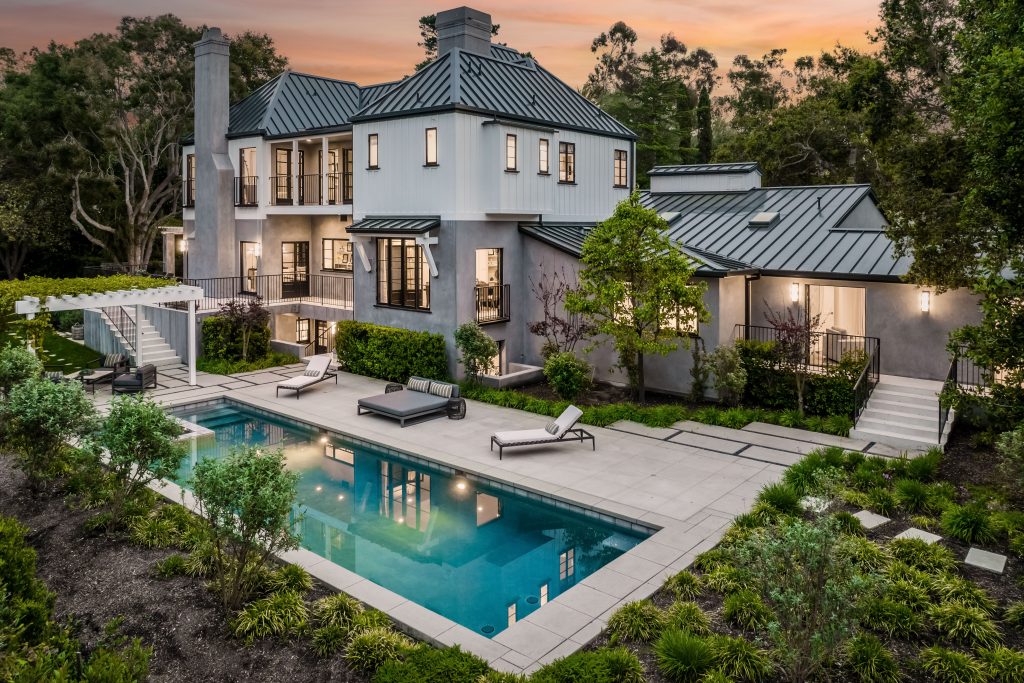
The era of the “museum home” is officially over. For years, Ontario homeowners chased a specific brand of modernism characterized by sharp edges, high-gloss whites, and cold grey palettes. While these spaces looked striking in photos, they often felt uninviting in reality. As we move through the middle of the decade, 2026 interior design trends in Canada have shifted toward a more human-centric approach.
The focus has turned to how a home feels rather than just how it looks. We are seeing a massive movement toward “Warm Minimalism” and “Biophilic Design.” These aren’t just buzzwords. They represent a fundamental change in residential architecture and interior planning. At XO Homes, we are integrating these elements into every custom build to ensure your living space acts as a sanctuary for your mental health.
Moving Away from the Sterile Aesthetic
The primary driver behind current trends is a collective desire for comfort. A home that feels like a sterile laboratory does little to help you unwind after a stressful day in London or the GTA. People are increasingly reporting “sensory deprivation” in homes that lack texture and warmth. This is where warm minimalism home decor saves the day.
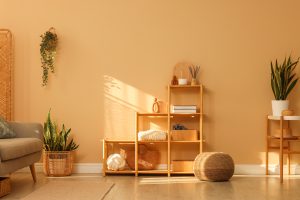
Warm minimalism takes the core principles of traditional minimalism—clean lines, lack of clutter, and functional furniture—and softens them. Instead of cold steel, we use brushed brass or bronze. Instead of stark white walls, we opt for “greige,” mushroom, or sand tones. These colors catch the natural Ontario sunlight differently, creating a glow that persists even through our long winters.
The Science of Biophilic Design
Biophilic design is the practice of connecting occupants to nature through the built environment. It is based on the idea that humans have an innate biological need to be near living things. In a climate like Southern Ontario, where we spend a significant portion of the year indoors, this connection is vital for our psychological health.
When we design a custom home, we prioritize large-scale window placements that frame the local greenery. Whether your lot overlooks a woodlot in Middlesex County or a landscaped yard in a new development, the goal is to blur the line between inside and out. Studies show that even the sight of greenery can lower cortisol levels and blood pressure within minutes.
Texture Over Decoration
One way to avoid a “sterile” feel is to focus on tactile variety. In a warm minimalist home, you don’t need a lot of knick-knacks or “stuff” to fill the space. Instead, the materials themselves provide the visual interest. We suggest using a mix of:
- White Oak Cabinetry: The tight grain and light color add organic warmth to kitchens and bathrooms.
- Limestone or Travertine: These stones have a matte, porous look that feels ancient and grounded.
- Woven Textiles: Linen curtains and wool rugs soften the acoustics of a room.
- Living Walls: Incorporating a vertical garden or a cluster of potted trees creates a focal point that breathes.
By layering these elements, the room feels “finished” without feeling crowded. This approach makes cleaning easier while ensuring the home feels lived-in and loved.
Creating the Spa-Inspired Bathroom
The bathroom is the most natural place to implement a biophilic, spa-inspired theme. We are seeing a shift away from standard tubs toward deep soaking vessels made of composite stone. Floating vanities in natural wood finishes help the floor space feel continuous, which makes the room appear larger and more serene.
Lighting plays a massive role here. Avoid harsh, surgical-grade overhead lights. Instead, we use perimeter LED strips and dimmable sconces. When you can control the “warmth” of the light, you can transform a functional morning space into a candlelit evening retreat. To complement the sensory experience of a new bathroom, many of our clients find that adding high-quality home scents, such as those found on These Four Walls, helps ground the room in a specific, relaxing mood.
Natural Light as a Building Material
In 2026 interior design trends in Canada, light is treated as a physical material just like wood or stone. High-efficiency glass technology has improved so much that we can now design homes with massive window walls without compromising the heating bill.
For an XO Home, this often means utilizing “clerestory” windows—high, narrow windows placed near the roofline. These allow light to flood deep into the center of the home while maintaining total privacy from neighbors. This constant connection to the transit of the sun helps regulate your circadian rhythm, making it easier to wake up in the morning and wind down at night.
Why Mental Health is the New Luxury
Luxury used to be about the price tag of the chandelier. Today, luxury is about the quality of the air and the quietness of the mind. Biophilic design reduces “ambient noise”—both literal and visual. When a home is designed with natural acoustics in mind, echoes are minimized. When the visual palette is cohesive and organic, your brain has fewer “distractions” to process.
This is especially important for the increasing number of Canadians who work from home. A home office designed with warm minimalism reduces the feeling of being “trapped” in a cubicle. It creates a space where focus comes naturally because the environment isn’t competing for your attention with bright colors or cluttered shelves.
The Role of the “Mudroom” in Wellness
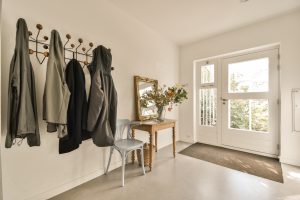
You might not think of a mudroom as a wellness space, but it is the “buffer zone” between the chaos of the world and the peace of your home. A well-organized, warm minimalist mudroom allows you to shed the stress of the day—and your boots—before you enter the main living area.
We design these spaces with built-in wooden benches, hidden storage for seasonal gear, and durable stone flooring. By keeping the “mess” of daily life contained in a beautiful, functional entry, the rest of your home stays a pristine sanctuary. This intentional transition is a hallmark of modern Ontario architecture.
Sustainable Choices for 2026
Warm minimalism also aligns with the growing demand for sustainability. When you choose high-quality natural materials, they last longer. A solid wood floor can be sanded and refinished for 100 years, whereas a cheap synthetic floor will end up in a landfill within a decade.
Using local Ontario stone and timber reduces the carbon footprint of your build. Furthermore, biophilic homes often incorporate better airflow and non-toxic, low-VOC (Volatile Organic Compound) paints and finishes. This ensures the air you breathe inside your sanctuary is as fresh as the air outside. You can see how these principles are applied to our various floor plans by browsing the models we currently offer.
Bringing Life Into the Layout
It isn’t enough to just put a plant in a corner. True biophilic design integrates nature into the layout. This could mean a “U-shaped” home design that wraps around a central courtyard or a “sunroom” that serves as a secondary living area filled with hardy indoor trees like Fiddle Leaf Figs or Olive trees.
The goal is to ensure that no matter where you are standing in your home, you have a line of sight to something living. This constant visual access to nature is the ultimate antidote to the “sterile” feeling that plagues so many modern subdivisions. It creates a home that feels like an extension of the Ontario woods or meadows it sits upon.
The XO Homes Difference in Design
At XO Homes, we don’t believe in “cookie-cutter” interiors. We work closely with you to identify which textures and tones resonate with your personal sense of peace. Whether you want a dark, moody library for deep focus or a bright, airy kitchen for family gatherings, we apply the principles of warm minimalism to ensure the result is timeless.
Our team stays ahead of the curve by monitoring how global design shifts adapt to our specific Canadian climate. We know that a design that works in California won’t always work in London, Ontario. We adjust the “warmth” of our palettes to account for our grey winter skies, ensuring your home remains a beacon of light and comfort all year long.
Start Your Sanctuary Journey
Your home should be more than just a place to store your belongings. It should be a tool that helps you live a better, healthier, and more relaxed life. By embracing the 2026 trends of biophilic design and warm minimalism, you are investing in your own well-being.
If you are tired of sterile, cold designs and want to build a space that truly feels like home, we invite you to reach out. Let’s talk about your vision for a spa-inspired sanctuary in Middlesex County or London. Contact us today to begin planning your custom build.
FAQs
What is the difference between minimalism and warm minimalism? Traditional minimalism often uses high-contrast colors like black and white with metal and glass, which can feel cold. Warm minimalism uses “tonal” palettes (beige, tan, soft wood) and natural textures to create a space that is uncluttered but cozy and inviting.
Does biophilic design require a lot of maintenance? Not necessarily. While living plants are a core part of it, biophilic design also includes “analog” nature like wood grains, stone patterns, and natural light. For the living elements, we can suggest low-maintenance plants or automated irrigation systems.
Can I incorporate these trends into a smaller home plan? Yes. In fact, warm minimalism is perfect for smaller footprints because it emphasizes “quality over quantity” and reduces visual clutter, which makes smaller rooms feel significantly more spacious and airy.
Is biophilic design more expensive to build? The cost depends on the features you choose. While large window walls or stone features may have a higher upfront cost, they often increase the resale value and provide long-term mental health benefits that outweigh the initial investment.